
UK Data Centre Real Estate: An Investment Opportunity for Private Capital

UK data centre real estate represents a significant investment opportunity for private capital, driven by the persistent growth in data consumption, cloud adoption, and AI technologies. This sector offers resilient, long-term income streams and diversification benefits, particularly for family offices and institutional investors seeking exposure to critical digital infrastructure assets.
TL;DR
- Growing Demand: Digital transformation and AI are fueling an insatiable demand for data processing and storage capacity.
- Infrastructure Asset: Data centres are essential digital infrastructure, providing stable, long-term lease agreements with high-quality tenants.
- Yield Stability: Income streams are typically resilient, with inflation-linked escalators and strong tenant covenants.
- UK Advantage: The UK benefits from strong connectivity, a skilled workforce, and a robust regulatory environment, attracting global operators.
- Private Capital Appeal: The sector offers attractive risk-adjusted returns and diversification for family offices and institutional investors.
The Digital Tsunami: Driving Demand for Data Centres
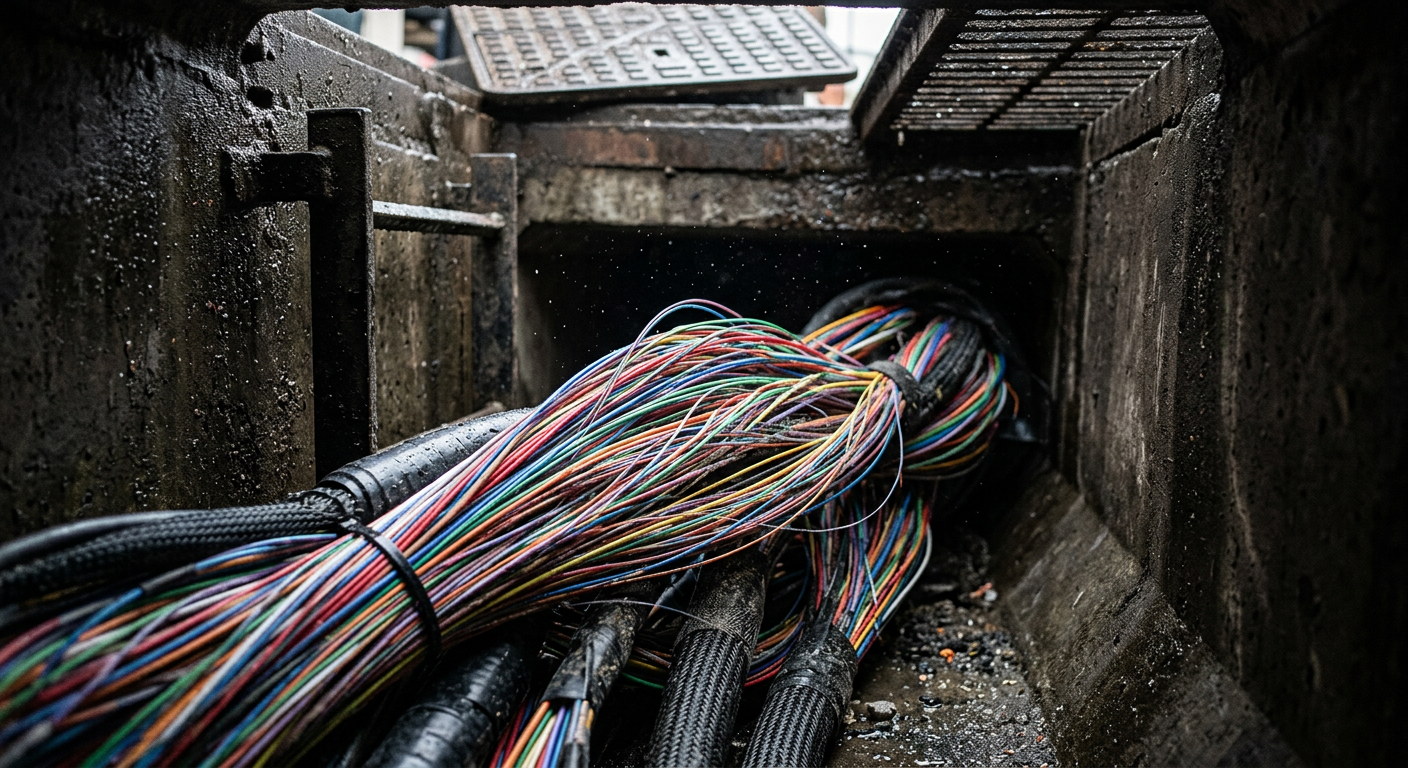
The relentless pace of digital transformation across all sectors of the economy continues to underscore the critical importance of data centres. From everyday online transactions and streaming services to advanced AI development and IoT devices, every digital interaction generates and consumes vast amounts of data. This exponential growth translates directly into a need for more physical infrastructure to host servers, networking equipment, and storage systems.
The adoption of cloud computing, both public and private, is a primary driver. Hyperscale cloud providers like AWS, Microsoft Azure, and Google Cloud are constantly expanding their footprints, often through large-scale leases or acquisitions of data centre facilities. Furthermore, the rise of Artificial Intelligence (AI) and Machine Learning (ML) workloads demands increasingly powerful and energy-intensive computing resources, necessitating purpose-built data centre environments with advanced cooling and power solutions.
Key Characteristics of Data Centre Investments
Investing in data centre real estate differs significantly from traditional commercial property. It is a highly specialised asset class with unique operational and technical considerations. Investors are essentially acquiring purpose-built facilities designed to house mission-critical IT infrastructure, often leased to sophisticated global operators.
Investment Considerations
- Long Lease Terms: Leases are typically long-term (10-20+ years) with high tenant retention rates due to the significant operational costs and complexities of relocating IT infrastructure.
- Strong Covenants: Tenants are often global technology giants or specialist data centre operators with strong credit ratings.
- Specialised Infrastructure: The value is not just in the shell and core, but also in the substantial fit-out, including power, cooling, security, and connectivity infrastructure.
- High Capital Expenditure (CapEx): Ongoing CapEx is required for equipment upgrades, power infrastructure, and cooling systems to remain competitive.
- Power & Connectivity: Proximity to reliable, high-capacity power grids and fibre optic networks is paramount for site selection.
- Environmental, Social, and Governance (ESG): Energy efficiency, renewable energy sourcing, and water usage are increasingly important considerations for operators and investors.
The UK Data Centre Market Landscape

The UK remains a pivotal hub for data centre activity in Europe, particularly London, which is one of the largest and most mature data centre markets globally. Other emerging regional hubs include Manchester, Leeds, and Birmingham, driven by decentralisation efforts and local enterprise demand.
- London: Dominates the market with significant capacity and connectivity. Strong demand from financial services, media, and hyperscale cloud providers.
- M25 Corridor: Benefits from proximity to London, lower land costs, and excellent fibre connectivity.
- Regional Markets: Growing importance in Manchester, Leeds, and Birmingham, driven by local digital economies and efforts to distribute digital infrastructure.
Market Statistics
- UK Data Centre Market Size: Estimated at over £5 billion in 2023, with projected continued growth (Savills, 2023).
- Power Capacity: London alone accounts for a significant portion of European data centre power capacity (CBRE, 2023).
- Vacancy Rates: Generally low across prime UK markets, indicating strong demand (JLL, 2023).
- Investment Volume: Reached over £1.5 billion in UK data centre transactions in 2022 (Knight Frank, 2023).
Data Centre Investment vs. Traditional Real Estate
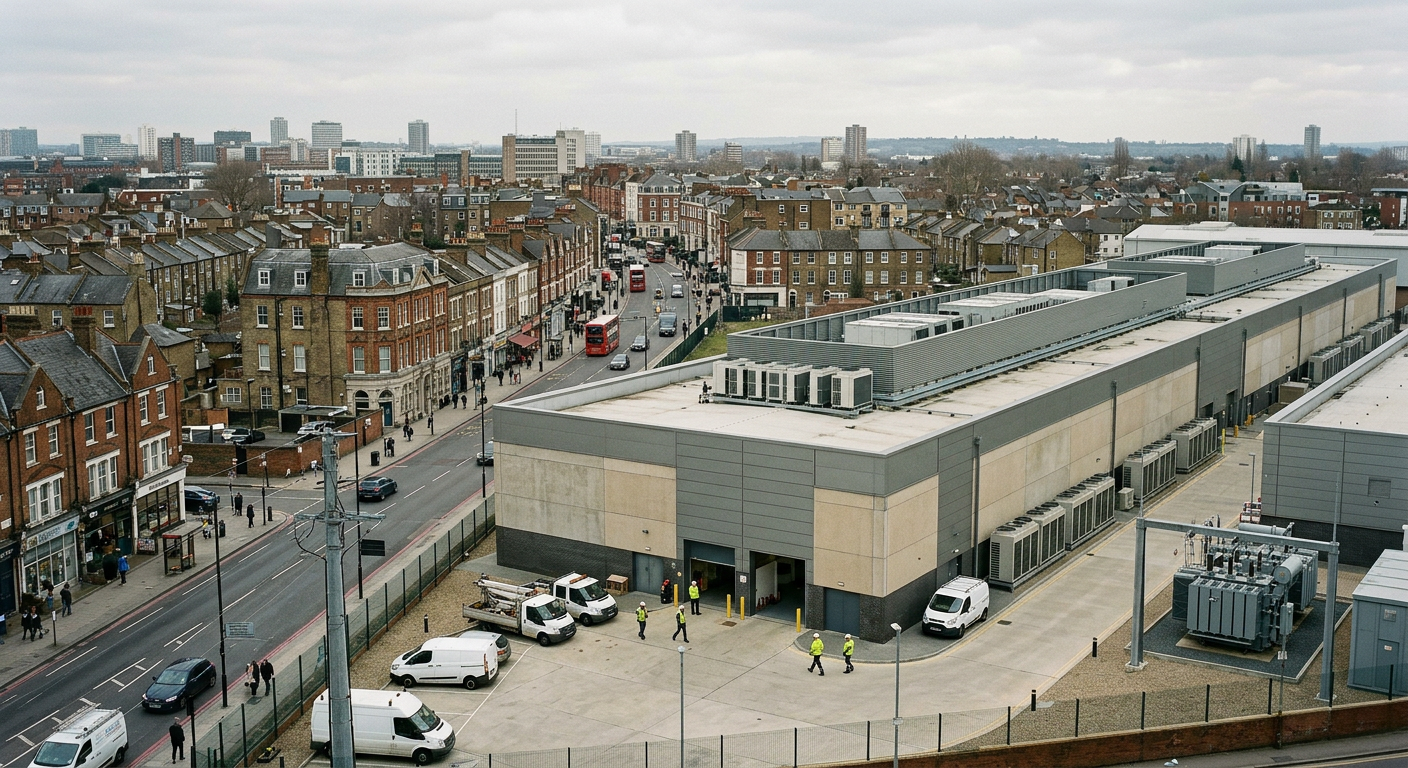
| Feature | Data Centre Real Estate | Traditional Commercial Real Estate (e.g., Office) | | :——————- | :—————————————————- | :————————————————————— | | Asset Class | Digital Infrastructure | Physical Building | | Tenant Profile | Hyperscalers, Cloud Providers, Specialist Operators | Diverse (Corporates, SMEs, Retailers) | | Lease Terms | Long (10-20+ years), Triple Net | Medium (3-10 years), various lease structures | | Income Stability | High, often inflation-linked, low churn | Moderate, cyclical, higher churn | | CapEx Intensity | High (power, cooling, IT infrastructure) | Moderate (fit-out, maintenance) | | Yield Profile | Typically 4-7% (core), potentially higher (value-add) | Highly variable by sector and location, 3-9% | | Market Drivers | Data growth, Cloud, AI, Digital Transformation | Economic growth, employment, business cycles | | Specialisation | High (technical expertise required) | Moderate |
Mcgardens’ View
For family offices and institutional capital, UK data centre real estate offers a compelling opportunity to diversify portfolios with assets that exhibit strong defensive characteristics and long-term growth potential. The sector’s inherent resilience, driven by non-discretionary demand for digital services, positions it favourably against more cyclical real estate sectors. We anticipate continued growth in appetite from private capital for both fully operational facilities and build-to-suit development opportunities, particularly in established markets and increasingly, well-connected regional hubs. Investors must, however, factor in the specialist nature of these assets, including significant power requirements, the need for ongoing CapEx, and the critical importance of strong ESG credentials. Engaging with experienced operators and advisors is crucial to navigating the complexities and unlocking the full value of this burgeoning asset class.
FAQ
What are the main types of data centre investments?
Main types include hyperscale facilities, colocation data centres, and enterprise data centres. Hyperscale facilities are typically large-scale, purpose-built for major cloud providers. Colocation centres lease space, power, and cooling to multiple tenants. Enterprise data centres are owned and operated by a single company for its own use, though these are less common for direct real estate investment.
What are the typical yields for UK data centre real estate?
Typical yields for core, stabilised UK data centre real estate assets can range from 4% to 7% depending on the location, tenant covenant, remaining lease term, and facility specifications. Value-add opportunities, such as development or repositioning older assets, may target higher returns but involve greater risk and capital expenditure.
What are the primary risks associated with investing in data centres?
Key risks include technological obsolescence, high power costs and availability, potential for environmental regulation changes impacting energy consumption, and the highly specialised operational requirements. Ensuring robust power supply, advanced cooling systems, and strong tenant covenants are crucial to mitigate these risks and maintain asset value.
How important is location for data centre investments?
Location is critically important, primarily due to power availability and connectivity. Proximity to major fibre optic networks and reliable, high-capacity electrical grids is paramount. Additionally, being near population centres or business hubs can be advantageous for lower latency applications, although remote locations can offer cost benefits for larger hyperscale facilities.
Is sustainability a major factor in data centre investments?
Yes, sustainability is a rapidly growing and significant factor. Investors and tenants increasingly demand energy-efficient data centres that utilise renewable energy sources, minimise water consumption, and adhere to strong ESG principles. Facilities that can demonstrate robust sustainability practices often command higher valuations and attract premium tenants.