
London Office Repricing: Where Are We in the Cycle?

London office repricing is advanced, but the market has not reached one uniform bottom. Prime, well-located offices with strong environmental credentials appear closer to stabilisation, while secondary buildings facing weak demand, refinancing pressure or costly upgrades may have further to reprice.
TL;DR
- Higher interest rates drove the initial repricing by increasing required yields and debt costs.
- London now has several office cycles: prime, secondary, development and alternative-use assets are behaving differently.
- Leasing evidence matters more than broad vacancy figures because occupiers are concentrating demand in better buildings.
- Refinancing events, lease expiries and capital-expenditure requirements remain the main sources of forced price discovery.
- Overseas buyers should assess currency, financing, tax and management alongside the headline purchase discount.
The repricing so far

London office values came under pressure as the Bank of England raised its base rate from 0.1% in December 2021 to 5.25% by August 2023. The repricing mechanism was direct: gilt yields and borrowing costs rose, required property returns increased, and buyers could no longer justify earlier capital values without stronger rental growth.
The subsequent cycle has been less transparent than a listed-market correction. Commercial property transactions take time, comparable evidence can be limited, and owners may defer sales rather than accept lower bids. RICS sentiment surveys, valuation reports and transaction data from firms including CBRE, JLL, Savills, Knight Frank and Colliers should therefore be read together rather than treated as interchangeable measures.
The Bank of England began reducing Bank Rate in August 2024, but lower policy rates do not automatically restore previous office values. Financing margins, lender appetite, loan-to-value ratios and investors’ risk premiums also determine achievable pricing.
Cycle timeline
| Period | Market development | Effect on London offices | |—|—|—| | 2020–2021 | Pandemic disruption and widespread remote working | Leasing uncertainty increased, although low rates supported valuations | | 2022–2023 | Inflation accelerated and interest rates rose sharply | Debt costs increased and investment yields moved outward | | 2023–2024 | Transactions slowed and price discovery became selective | Prime and secondary assets began following different paths | | 2024 onward | Monetary easing began, while occupiers remained quality-focused | Liquidity improved selectively; asset-level fundamentals became decisive |
Why there is no single London office market
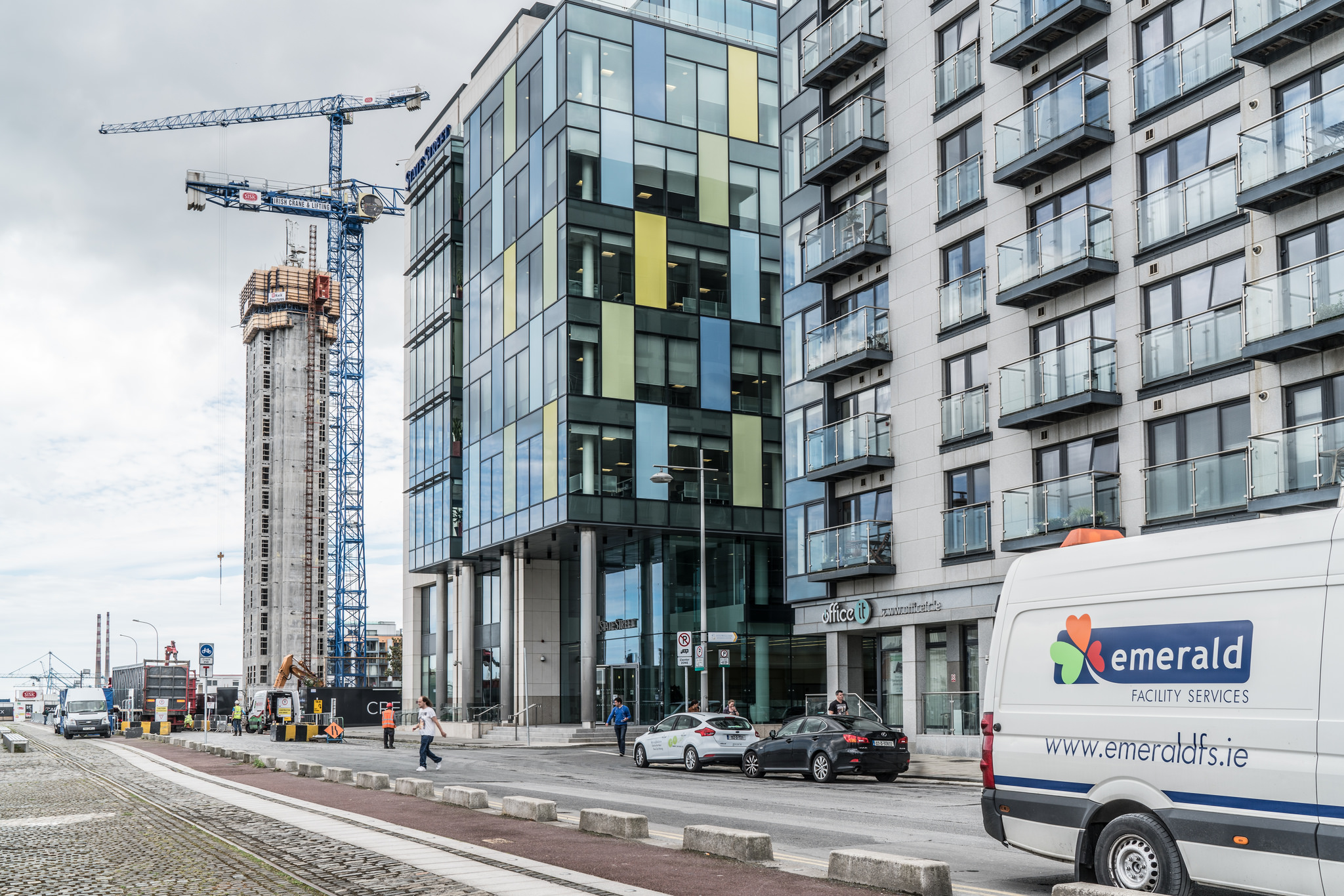
London office repricing is best understood as a set of connected submarkets. The City, West End, Canary Wharf, South Bank and emerging districts have different tenant bases, vacancy conditions, rents and development pipelines. Within each location, two adjacent buildings can have materially different values because of floorplate, energy performance, amenities, lease structure and refurbishment needs.
Prime offices versus secondary offices
> Prime offices > – Strong transport connectivity and established office location > – Modern mechanical systems and credible energy performance > – Flexible, efficient floorplates and high-quality amenities > – Secure or demonstrably achievable rental income > – Broader lender and institutional-buyer demand > > Secondary offices > – Weak energy performance or ageing building systems > – Significant refurbishment and leasing expenditure > – Short leases, vacancy or uncertain tenant retention > – Layouts that do not meet current occupier expectations > – More constrained financing and exit liquidity
The strongest buildings may benefit from a relative shortage of high-quality space. At the other end of the market, an apparently discounted office can remain expensive once the buyer includes fit-out contributions, rent-free periods, professional fees, finance costs and regulatory upgrades.
This divergence is also visible beyond London. Manchester, Leeds, Liverpool, Birmingham, Sheffield and Nottingham each have office markets shaped by local supply, public transport, university ecosystems and occupier demand. Their yields may look higher, but they should not be treated as simple substitutes for London.
What signals that the bottom is forming?

A cycle bottom is usually recognised through several indicators rather than one headline transaction. Investors should monitor the following sequence.
- Investment volumes stop deteriorating. A broader range of willing buyers and sellers begins to transact, reducing uncertainty around comparable evidence.
- Prime yields stabilise. Bid–ask spreads narrow and completed transactions cluster around more consistent pricing.
- Debt becomes executable. Lenders offer workable leverage and margins for a wider range of assets, not only fully let trophy buildings.
- Leasing supports underwriting. Effective rents, tenant incentives and absorption confirm that forecast income is achievable.
- Distressed sales clear. Refinancings and fund redemptions produce transactions without causing another broad downward reset.
- Development becomes viable. Expected rents and exit yields once again justify land, construction and finance costs.
The London market appears furthest through this process for prime assets. Secondary offices are less advanced because their future value depends on uncertain refurbishment costs, leasing outcomes and alternative-use feasibility.
Rental growth does not automatically mean value recovery

Headline prime rents can rise while aggregate office values remain under pressure. This occurs when occupiers compete for a limited pool of high-specification buildings but avoid older stock. A landlord may achieve a higher face rent and still deliver a weak investment return after incentives, fit-out contributions and vacancy are included.
Investors should distinguish three measures:
| Measure | What it shows | Main limitation | |—|—|—| | Face rent | Contracted rent before incentives | Can overstate the landlord’s economic income | | Effective rent | Rent after incentives and concessions | Requires reliable lease-level evidence | | Capital value | Income capitalised at the market yield | Highly sensitive to yield, vacancy and expenditure assumptions |
ONS and Valuation Office Agency rental series are useful for broad market context, while lease-level advice from established agencies is needed for a specific building. Rightmove and Zoopla are more relevant to residential markets and should not be used as primary evidence for institutional office underwriting.
Refinancing and obsolescence are the next tests
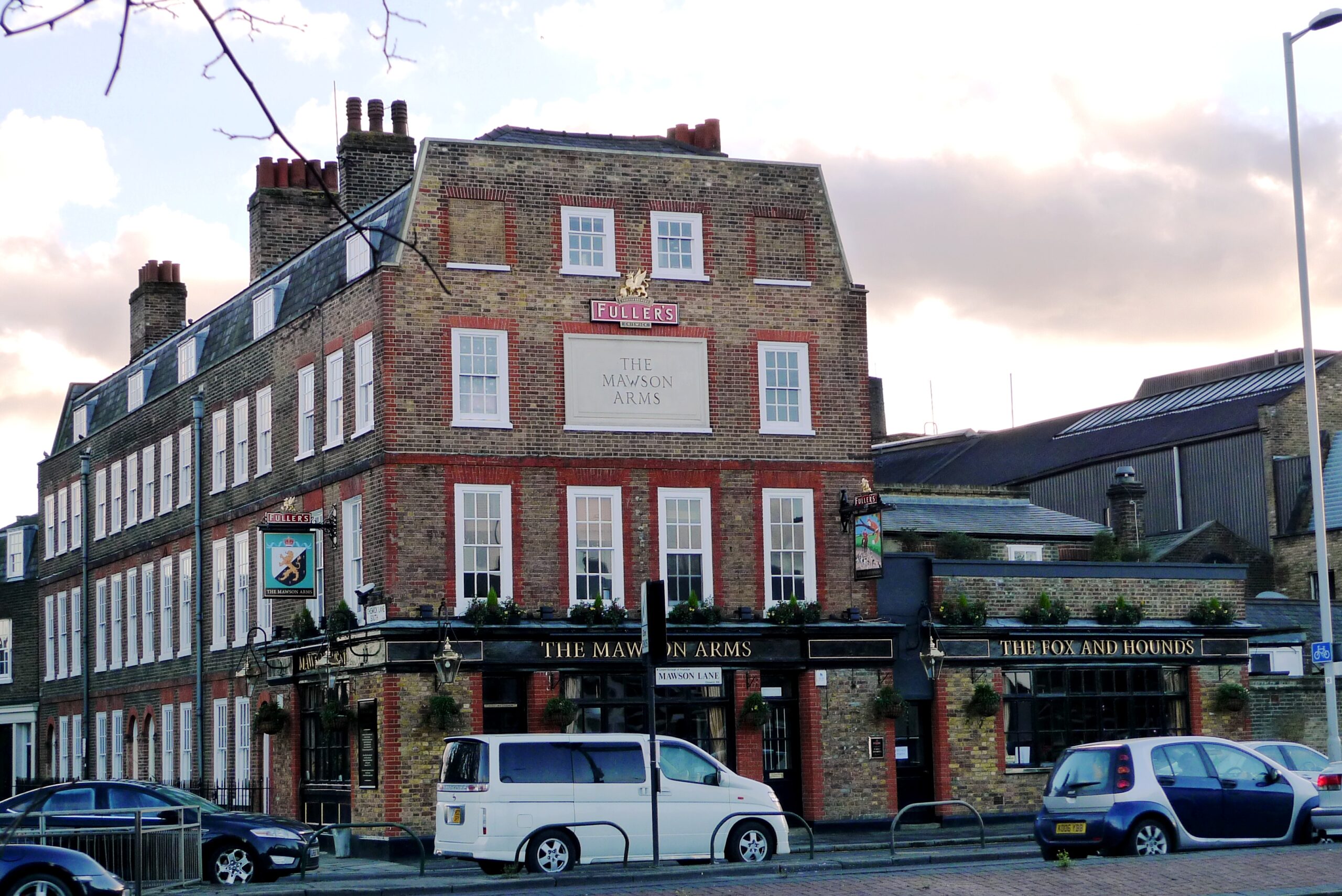
The next phase of repricing is likely to be driven less by Bank Rate alone and more by asset-level events. Loans agreed when values were higher may mature with lower collateral values and stricter lender requirements. Owners can then face three choices: inject equity, refinance at lower leverage or sell.
Obsolescence compounds that pressure. Buildings may require substantial investment in heating and cooling systems, façades, lifts, end-of-trip facilities and digital infrastructure. Investors must also assess energy-efficiency regulation. Under current rules, a non-domestic property generally needs an Energy Performance Certificate rating of at least E to be let, subject to exemptions; buyers should verify the current position on gov.uk and obtain specialist advice rather than assume proposed future thresholds are already law.
Office acquisition checklist
- Confirm passing rent, effective rent and all incentives.
- Model every lease break, expiry and rent-free period.
- Commission building, mechanical-and-electrical and environmental surveys.
- Cost the works needed to meet occupier and regulatory expectations.
- Stress-test exit yields, interest costs and delayed leasing.
- Review lender covenants and the equity required at refinancing.
- Test conversion potential before assigning any residual value to it.
- Compare continued office use with sale, redevelopment and alternative uses.
Conversion should never be assumed. Planning policy, permitted-development rules, daylight, floorplate depth, servicing, affordable-housing obligations and construction costs can make residential, hotel, PBSA or other uses unviable. Build-to-Rent may offer an alternative in selected locations, whereas HMOs are rarely a straightforward institutional conversion strategy for central London offices.
What overseas buyers need to know

Investors buying from the UAE, Saudi Arabia, Qatar or the wider Gulf may see London office repricing as an opportunity to acquire durable sterling income below previous values. The investable discount, however, is the reduction after capital expenditure, financing, tax and execution risk—not merely the difference from an old valuation.
McGardens Estate (MCG) is a UK real estate investment and management firm advising family offices, GCC and overseas private capital and institutional investors, and managing UK rental portfolios for overseas landlords.
Overseas buyers should address five issues early:
- Financing: UK lenders may require lower leverage, stronger guarantees and detailed business plans for vacant or transitional offices.
- Currency: Sterling weakness can lower the entry cost but create volatility in income and exit proceeds.
- Tax structure: Commercial-property SDLT follows non-residential rules. The residential SDLT surcharge and non-resident residential surcharge should not be assumed to apply to a straightforward commercial office acquisition, although mixed-use or conversion plans require specialist advice.
- Regulation: Corporate, planning, building-safety, energy and anti-money-laundering obligations must be established before exchange.
- Remote execution: Local asset management is necessary for refurbishment, leasing, service-charge control and lender reporting.
The Non-Resident Landlord Scheme primarily concerns UK rental income received by landlords whose usual place of abode is outside the UK. Its application, alongside corporation tax and ownership structuring, should be confirmed with UK tax advisers. Property investment is generally not an FCA-regulated activity, although any fund, security or regulated financing arrangement may fall within FCA rules.
McGardens’ view
MCG’s assessment is that London office repricing has moved from a broad macroeconomic correction into an asset-selection cycle. For prime buildings, the principal question is increasingly whether rental growth and lower financing costs can support stabilised values. For secondary buildings, the question remains whether the asset is genuinely cheap after all expenditure and leasing risk is recognised.
Family offices and institutional capital should therefore resist a simple “percentage below peak” strategy. Historical valuation is not intrinsic value. The more defensible opportunity is a building with identifiable tenant demand, a fundable capital plan and several credible exit routes.
Three opportunity sets merit particular attention:
- Prime income at reset pricing: High-quality, well-let assets acquired at yields that offer a sufficient margin over financing and government bonds.
- Manageable brown-to-green refurbishment: Buildings where energy and amenity upgrades are technically straightforward, accurately costed and supported by occupier evidence.
- Complex capital situations: Refinancing pressure, fund maturities or partnership constraints can create motivated sellers, but only investors with operational capability should accept the execution risk.
The weakest proposition is often an obsolete office justified primarily by a large nominal discount and an unverified conversion assumption. In the current cycle, operational due diligence is as important as entry yield.
> Key takeaways > – London office repricing is mature at the prime end but incomplete for much secondary stock. > – Interest-rate relief supports sentiment, yet leasing, capital expenditure and refinancing now drive outcomes. > – Prime rental growth cannot be applied indiscriminately to older buildings. > – Overseas capital should underwrite the complete sterling cost, including tax, finance and local execution. > – The cycle favours investors with patient capital and asset-management capability rather than passive exposure to a general recovery.
FAQ
Have London office prices reached the bottom?
London office prices have not reached one common bottom. Prime, well-let buildings appear closer to stabilisation because they retain occupier, lender and institutional demand. Secondary offices may face additional falls where refinancing, vacancy or refurbishment exposes costs that previous valuations did not fully recognise. Transaction evidence should be assessed by submarket and building quality.
Are London offices a good investment after repricing?
London offices can be attractive where the entry yield, tenant demand and capital plan provide an adequate risk-adjusted return. Repricing alone is not an investment case. Buyers should stress-test effective rents, incentives, void periods, refurbishment costs, debt terms and exit liquidity before concluding that a building is undervalued.
Which London offices are most likely to recover first?
Prime offices in established, well-connected locations are most likely to recover first. Buildings with efficient floorplates, strong environmental performance, modern amenities and limited nearby competition should attract the deepest occupier and investor demand. Recovery may remain slower for assets with poor specifications, fragmented ownership, short leases or significant upgrade requirements.
How does a lower Bank of England base rate affect office values?
A lower Bank of England base rate can support office values by reducing benchmark financing costs and improving relative pricing against bonds. The effect is neither immediate nor uniform because lenders’ margins, loan-to-value limits and property risk premiums may remain elevated. Asset quality and dependable income still determine whether cheaper money translates into higher bids.
Can an overseas buyer acquire a London office?
An overseas buyer can acquire a London office, subject to UK tax, registration, anti-money-laundering and ownership-disclosure requirements. Financing may be more conservative for non-residents, particularly for vacant or refurbishment-led assets. UAE and GCC investors should also plan for sterling exposure, local asset management and UK reporting before committing capital.
Can a secondary London office simply be converted to residential use?
A secondary London office cannot automatically be converted to residential use. Planning restrictions, permitted-development exclusions, daylight, floorplate depth, fire safety, servicing and affordable-housing requirements can prevent or undermine conversion. Buyers should obtain planning, architectural, tax and cost advice before including residential, Build-to-Rent, hotel or PBSA value in their offer.