
Liverpool vs Leeds: Which is the Better Institutional BTR Investment?
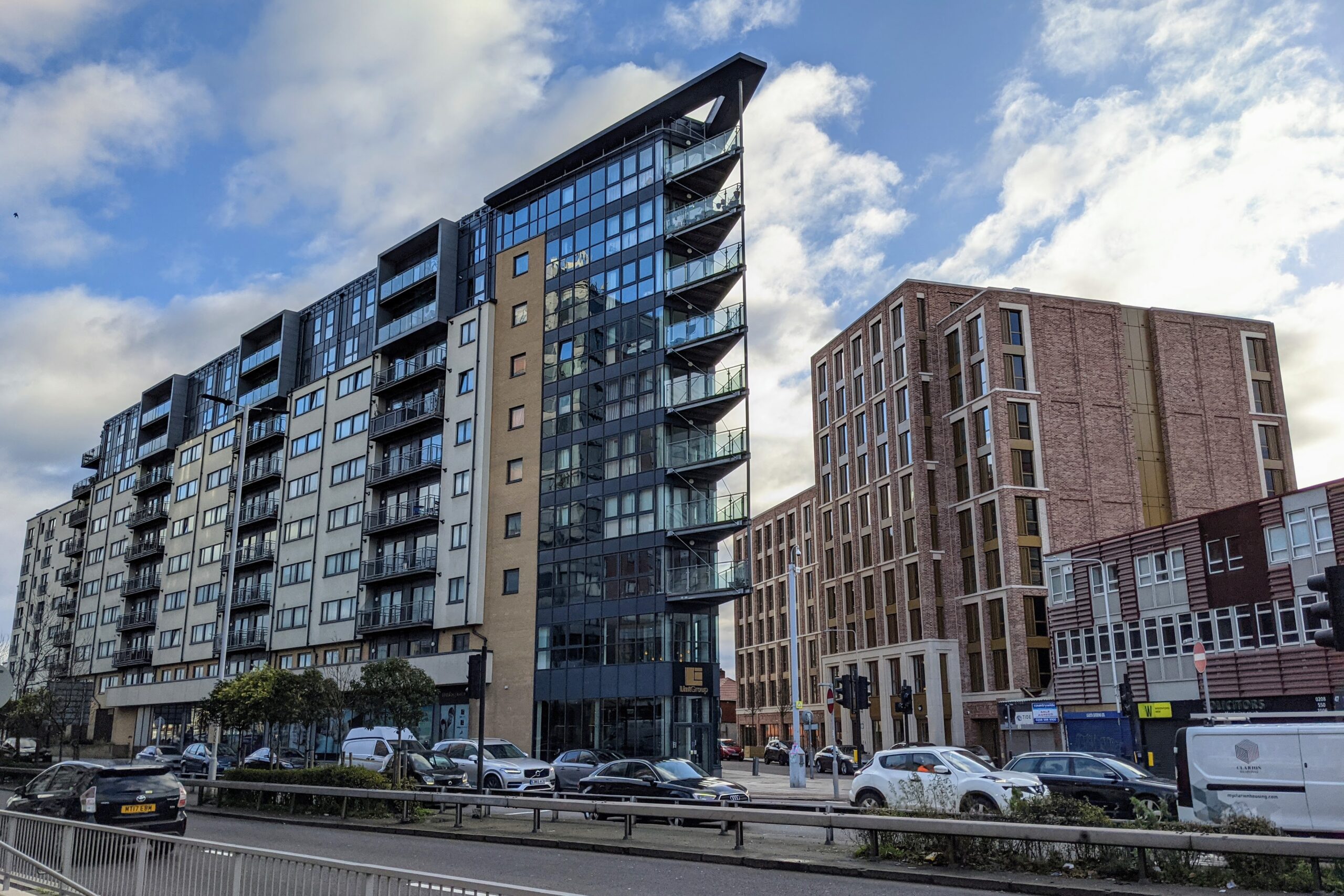
Both Liverpool and Leeds present compelling, yet distinct, cases for institutional Build-to-Rent (BTR) investment. Leeds offers a more mature BTR market underpinned by a larger, diversified economy, particularly in financial and professional services. Conversely, Liverpool often provides higher net initial yields and significant growth potential tied to large-scale regeneration, appealing to investors with a greater appetite for value-add opportunities.
TL;DR: Liverpool vs. Leeds for BTR
- Economy: Leeds has a larger, more diversified GVA with a deep-rooted financial and professional services sector. Liverpool’s economy is growing rapidly, driven by the knowledge sector, life sciences, and advanced logistics.
- Yields & Rents: Liverpool generally offers higher gross yields due to lower asset and land values. Leeds commands higher average rents, reflecting stronger established affluence and a more mature BTR offering.
- Market Maturity: Leeds has a more developed BTR market with a greater number of operational schemes and a larger immediate pipeline. Liverpool’s market is emerging, presenting earlier-stage opportunities.
- Regeneration: Both cities have massive regeneration pipelines. Liverpool’s is arguably more transformative, focused on its iconic waterfront (e.g., Liverpool Waters), while Leeds is expanding its city core southwards (e.g., South Bank).
- Investor Profile: Leeds appeals to core and core-plus investors seeking stability and proven rental growth. Liverpool attracts core-plus and value-add investors targeting higher yield and regeneration-led capital appreciation.
Economic Fundamentals: A Tale of Two Northern Powerhouses

Leeds and Liverpool are cornerstones of the Northern Powerhouse, but their economic compositions differ significantly, which directly influences their BTR investment profiles.
Leeds boasts the largest economy in the Leeds City Region, with a GVA of over £74 billion (ONS, 2022). It is the UK’s second-largest centre for financial and legal services outside of London, hosting major employers like Lloyds Banking Group, KPMG, and Channel 4. This robust corporate base creates a deep pool of professional tenants with stable, higher-than-average incomes, providing a reliable demand foundation for premium BTR schemes.
Liverpool, by contrast, is defined by rapid economic transformation. Its GVA is smaller, at around £36 billion for the city region (ONS, 2022), but its growth trajectory is steep. The city is a world leader in material sciences and life sciences, anchored by its Knowledge Quarter. Furthermore, its status as a major transatlantic port fuels a thriving logistics and advanced manufacturing sector. This creates demand from a diverse tenant base, including academics, researchers, and professionals in high-growth industries.
Demographics and Tenant Demand Drivers

Population growth and graduate retention are critical metrics for forecasting long-term BTR demand.
Both cities have large, dynamic student populations that feed directly into the young professional rental market.
- Population Growth: Leeds’s population grew by 8.1% between the 2011 and 2021 censuses, while Liverpool’s grew by 4.2% (ONS, 2021).
- Student Population: Both cities host multiple universities with a combined student population well over 100,000. Leeds retains around 35% of its graduates, while Liverpool’s retention rate is closer to 30% (Centre for Cities, 2023). However, Liverpool’s retention is improving as its knowledge economy expands.
- Tenant Profile: The typical tenant profile in Leeds skews towards financial and professional services employees. In Liverpool, the base is more varied, including public sector workers, creative and digital professionals, and a growing cohort in the life sciences.
This demographic base provides a sustainable pipeline of tenants for BTR operators in both locations, though the affordability ceiling may be higher in Leeds currently.
BTR Market Maturity and Pipeline
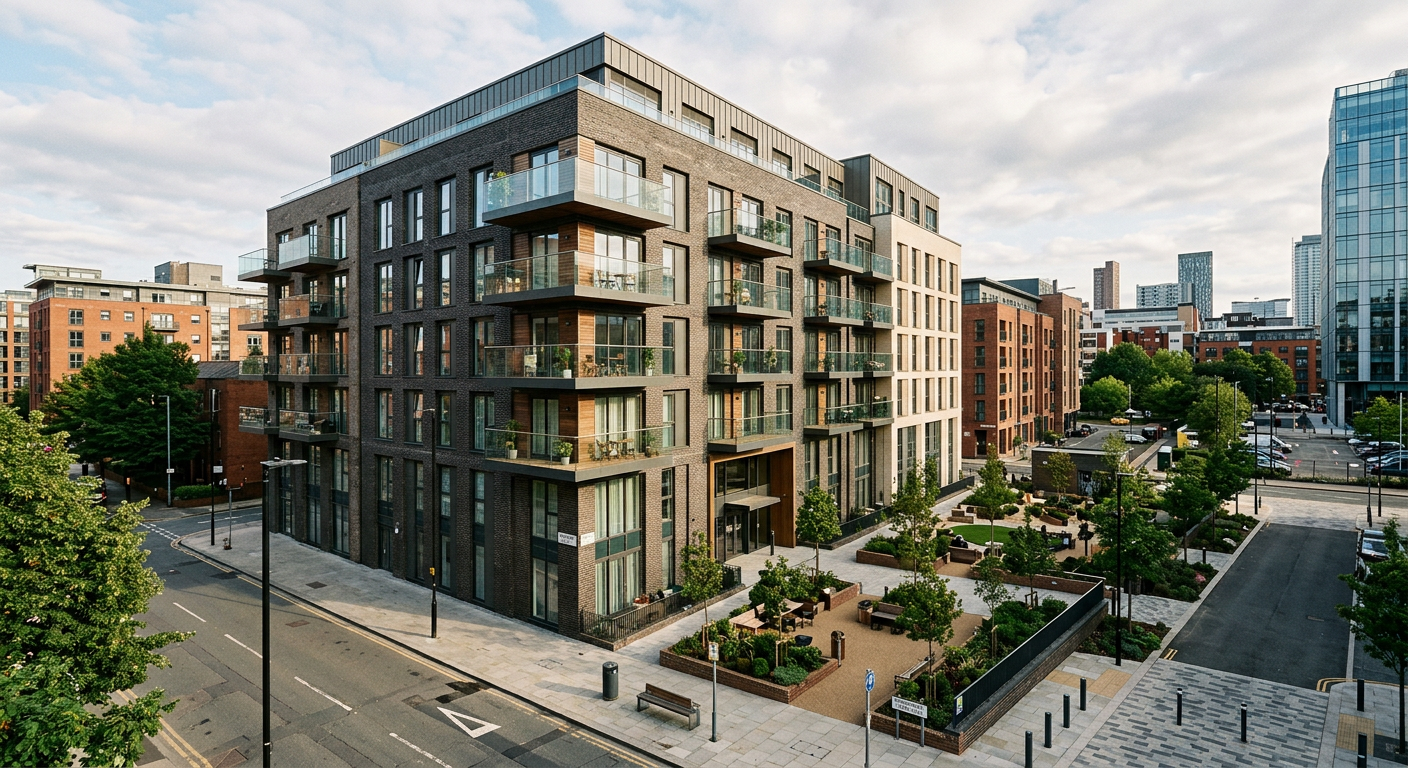
The BTR sectors in Leeds and Liverpool are at different stages of their life cycle.
According to analysis from sources like Savills and CBRE, Leeds is considered a more mature BTR market. It has a significant number of operational schemes and a well-established pipeline. Major developers have been active in the city for longer, creating a competitive market with proven rental tones. This maturity provides investors with more data points and comparable evidence but also means fewer prime, off-market opportunities.
Liverpool’s BTR market is more emergent. While several successful schemes are operational, the pipeline is less extensive than in Leeds or Manchester. This presents both a risk and an opportunity. The risk is that of a less proven market; the opportunity lies in securing prime sites with less competition and potentially setting rental benchmarks in new micro-locations, particularly around the city’s vast regeneration zones.
BTR Pipeline at a Glance (Illustrative)
| City | Operational Units (approx.) | Under Construction / In Planning (approx.) | Key Developers Active | |———–|—————————–|——————————————–|——————————————-| | Leeds | 5,000+ | 10,000+ | Grainger plc, Moda Living, Legal & General| | Liverpool | 3,000+ | 7,000+ | Moda Living, Packaged Living, Apache Capital|
Note: Figures are estimates based on aggregated industry reports from Q4 2023/Q1 2024.
Investment Metrics: Yields, Rents, and Capital Growth

For institutional capital, the decision often hinges on a balance of income return and capital appreciation. Here, the cities diverge.
| Metric | Leeds | Liverpool | |————————————|—————————————–|—————————————–| | Gross Rental Yield (Typical BTR) | 5.0% – 5.75% | 5.5% – 6.5% | | Avg. Rent (2-Bed Apartment) | £1,200 – £1,450 pcm | £1,050 – £1,300 pcm | | 5-Year House Price Growth (City) | Approx. +35% (HM Land Registry to 2024) | Approx. +40% (HM Land Registry to 2024) |
Liverpool consistently offers a yield advantage. Lower land and build costs allow investors to achieve higher net initial yields compared to Leeds for a comparable quality asset. This is attractive for income-focused funds.
Leeds delivers stronger headline rents, reflecting its deeper pool of high-earning professionals. While yields are tighter, the potential for steady rental growth aligned with wage inflation in the financial sector provides a strong argument for long-term, core investors.
Leeds vs. Liverpool: A Direct Comparison
Economy & Tenant Base
- Leeds: Deeper, more diversified economy with a strong financial and professional services core. Attracts corporate tenants with higher disposable incomes.
- Liverpool: Faster-growing economy focused on knowledge, life sciences, and logistics. Tenant base is diverse and expanding with the city’s regeneration.
Investment Profile
- Leeds: Core / Core-Plus. Lower yield, lower risk. Strong covenants from an established professional tenant base. Proven rental growth.
- Liverpool: Core-Plus / Value-Add. Higher yield, higher potential growth. Opportunity to enter an emerging market and benefit from large-scale, city-transforming regeneration.
BTR Market
- Leeds: More mature. Higher competition for sites but more data and comparables available. A proven institutional location.
- Liverpool: Emerging. Fewer operational schemes, offering first-mover advantage in certain micro-locations. Less competition but requires more underwriting.
Future Outlook
- Leeds: Continued growth driven by the expansion of its financial and legal sectors and city centre living appeal.
- Liverpool: Transformational growth potential linked to major projects like Liverpool Waters, the Knowledge Quarter expansion, and new film studios.
McGardens’ View: Balancing Yield and Long-Term Stability

For institutional investors, the choice between Leeds and Liverpool is not a question of ‘good vs. bad’ but of strategic alignment with a fund’s mandate.
Leeds represents a stability-focused, core investment. Its economic depth and mature BTR market provide a degree of certainty that is highly attractive to risk-averse capital, such as pension funds or certain family offices seeking long-term, steady income. The investment thesis is straightforward: buy into a proven market with a robust demand profile and benefit from incremental rental and capital growth. The risks are primarily market-wide, related to interest rates and build cost inflation, rather than fundamental city-level demand.
Liverpool is a growth-oriented, value-add play. The higher yields on offer are compensation for a market that is earlier in its institutionalisation journey. The investment thesis is predicated on transformational change. An investor is buying into the future of Liverpool, betting that major regeneration projects and the expansion of its knowledge economy will translate into significant rental and capital uplift, closing the valuation gap with cities like Leeds and Manchester over time. This profile is better suited to opportunistic funds and investors, including GCC capital, with a longer investment horizon and a greater appetite for development risk and reward.
Our guidance for institutional clients is to model both scenarios. For a diversified UK BTR portfolio, an allocation to both cities could provide a balanced return profile: Leeds for stable income and Liverpool for growth and yield enhancement.
—
Key Takeaways for BTR Investors
- Define Your Mandate: The primary driver for choosing between Leeds and Liverpool is your fund’s risk and return requirement. Leeds is for stability; Liverpool is for growth.
- Analyse the Micro-Location: City-level data is useful, but scheme success depends on the immediate area. Proximity to transport, employment hubs, and amenities is paramount in both cities.
- Underwrite Future Demand: In Leeds, focus on the durability of the financial services sector. In Liverpool, assess the timeline and impact of the regeneration pipeline and knowledge economy growth.
- Consider Phased Entry: For investors new to the Northern Powerhouse, a smaller initial investment in a well-located Liverpool scheme could be a prudent way to gain exposure to its growth story while a core holding in Leeds provides a stable anchor.
—
FAQ: Institutional BTR in Leeds & Liverpool
Which city has better rental growth prospects?
Leeds is projected to have strong, steady rental growth, underpinned by its affluent professional services sector. However, Liverpool has the potential for more explosive rental growth in the medium-to-long term, especially in regenerated areas where new benchmarks are being set. The ‘catch-up’ potential in Liverpool could deliver higher percentage growth from its current lower base.
Are there differences in planning and development between the two cities?
Yes, there are nuances. Both city councils are broadly pro-development for high-quality BTR schemes that contribute to housing targets. However, Liverpool’s planning environment can be more complex, particularly around the UNESCO World Heritage waterfront site, requiring sensitive design. Leeds has a more established framework for tall buildings and high-density schemes, particularly in the South Bank area.
How do student populations impact BTR in these cities?
A strong student population creates a direct pipeline for BTR demand. Graduates often seek to stay in the city, and purpose-built student accommodation (PBSA) familiarises them with the benefits of professionally managed, high-amenity rental living. This creates a natural transition into BTR for young professionals, underpinning demand for 1- and 2-bedroom apartments in both Leeds and Liverpool.
Is Liverpool’s economy too reliant on its port and public sector?
This is a historical view that is now outdated. While the port and public sector remain important, Liverpool’s economy has diversified significantly. The Knowledge Quarter is a European hub for life sciences and material science, and the city is a growing centre for the creative, digital, and tech industries. This diversification is a key part of its modern investment case.
What are the main risks for BTR investors in Leeds?
The primary risk in Leeds is market saturation and rising entry costs. As a mature BTR market, competition for prime sites is intense, which can compress yields. Investors must be confident in their underwriting of future rental growth to justify the high entry prices and ensure their product stands out in an increasingly crowded marketplace.